Foster City · Neighborhood One · from 1963
Where the city started.
Infrastructure went in during 1962. The first houses in Neighborhood One began going up in November 1963, and the first residents moved in on 7 March 1964. This is the oldest ground in Foster City, and some of it is Eichler.
November, Neighborhood One
Matsonia · Lurline · Pilgrim · Constitution
Eichler · Duc & Elliott · Kay Homes
01 · The streets
Named for ships, and that is the giveaway.
Matsonia Drive and Lurline Drive take their names from Matson Line steamers. Pilgrim and Constitution follow the same theme. Foster City named each neighbourhood to a scheme, and Neighborhood One got ships — which is useful, because it means you can tell roughly where you are in the city’s build sequence from the street sign.
What the street name will not tell you is whether a given house is an Eichler. On these streets it very often is not, and that is not an accident — see the next section.
One concrete caution. There are two-storey houses of well over 2,000 square feet on Matsonia Drive dating from the early seventies. Those are not Eichlers, whatever a listing may imply. Every Foster City Eichler we have verified is single storey.
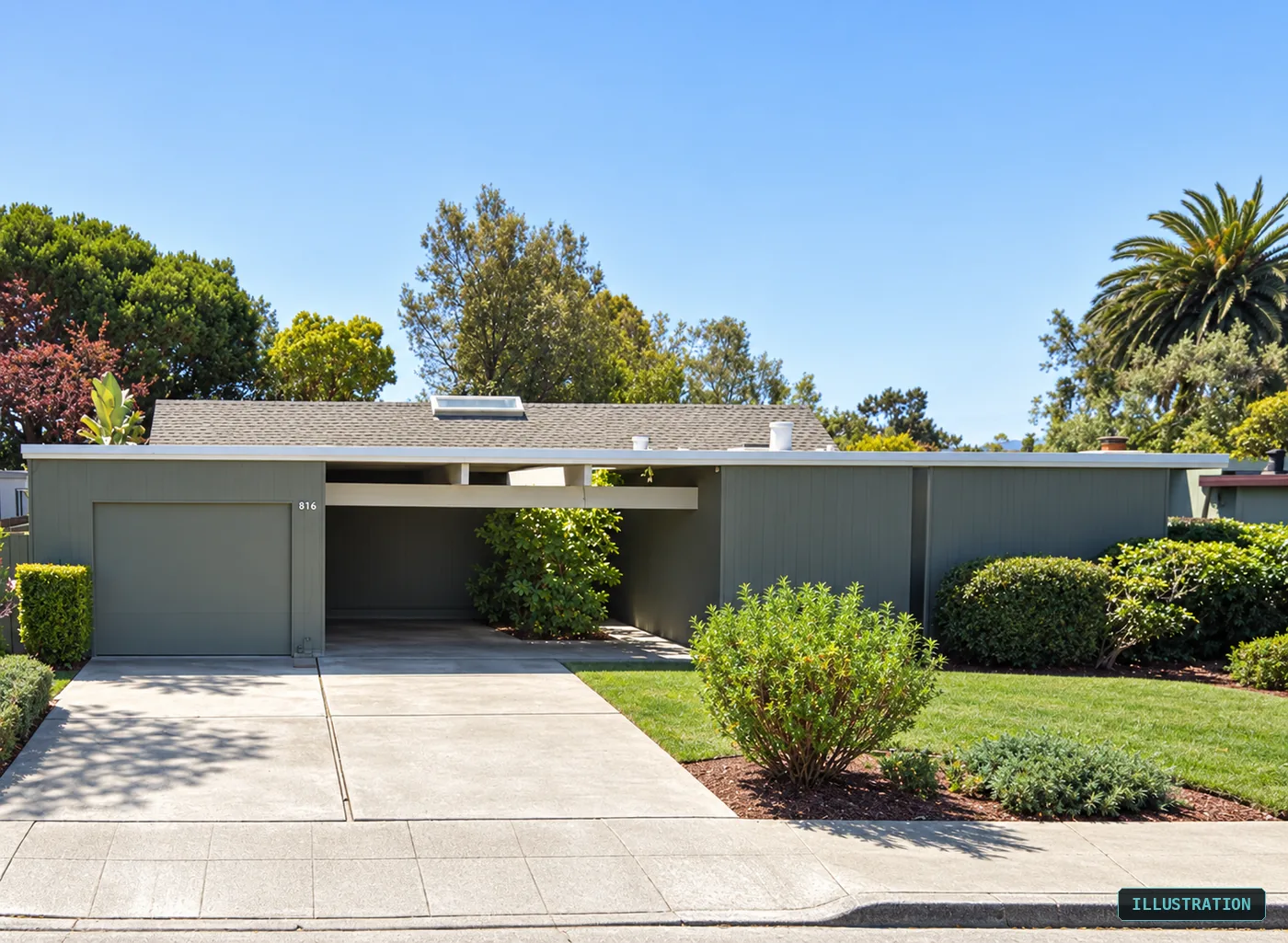
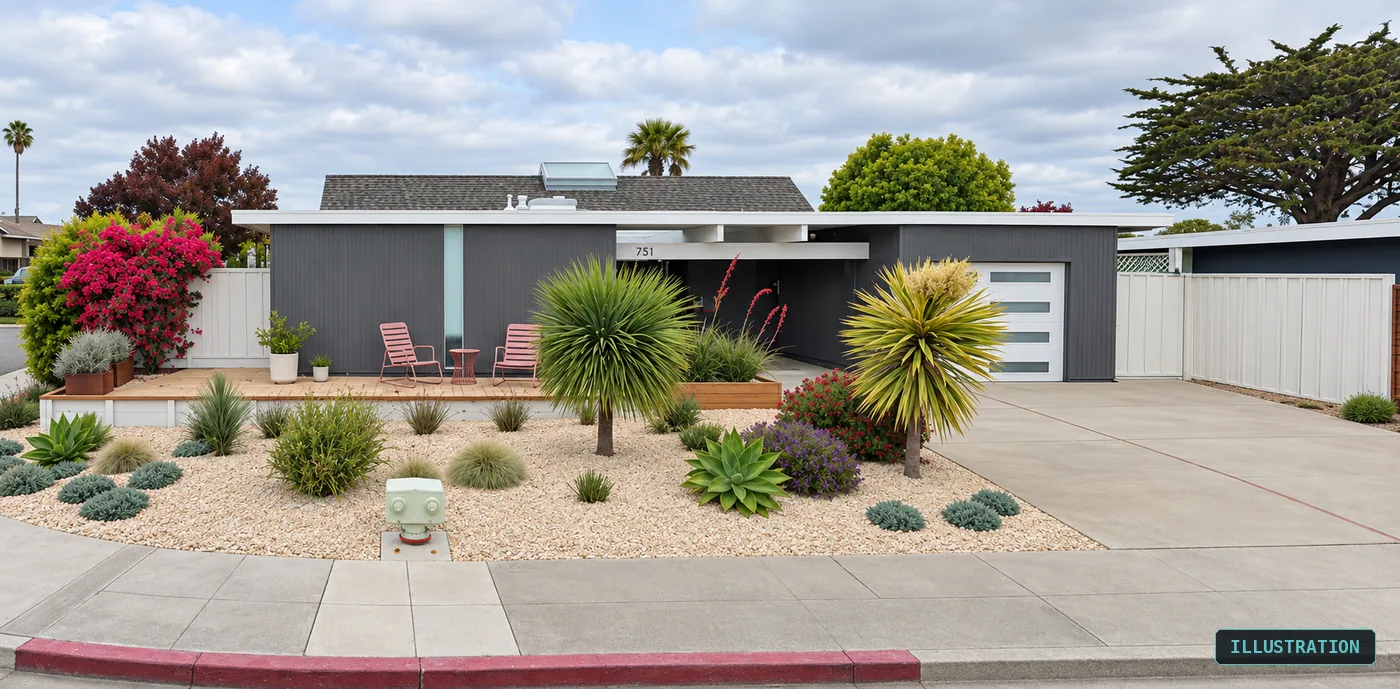
The images below are illustrations, not photographs of Foster City houses. Each is labelled on its face. They are here to show the features described above — the things you check from the kerb — not to depict any particular house or address.
02 · Why they are scattered
T. Jack Foster did it on purpose.
The City of Foster City’s own 2016 historical evaluation records the arrangement plainly: Foster “worked primarily with three builders: Eichler Homes, Duc & Elliot, and Kay Homes, and sold each company limited numbers of scattered lots in a given neighborhood so that no one area looked too homogeneous.”
T. Jack Foster Jr. put it more simply: “We thought that to mix them up somewhat was better. It makes for a more attractive neighborhood.”
So Foster City has no Eichler tract in the sense that Palo Alto or Los Altos does. There is no block where every house is one. They are salted through three neighbourhoods among houses by two other builders, which is why an owner here can genuinely not know what they have, and why the house next door being obviously not-an-Eichler tells you nothing at all.
03 · What that means for value
Scarcity inside a scarcity.
A scattered distribution does two things to price. It thins the comparable set to almost nothing — in a given year this neighbourhood may produce no Eichler sale whatever — and it means an appraiser or an agent working from street-level comparables will value the house against its non-Eichler neighbours.
That second point is the one that costs money. A Duc & Elliott or Kay house of the same vintage on the same street is a different product with a different buyer, and pricing an intact Eichler against it leaves the architectural premium on the table.
The correction is to comp against Eichlers city-wide and across the Peninsula rather than against the street, and to be able to show why. That requires knowing which houses in Foster City are actually Eichlers, which is the problem this whole site exists to solve.
What we can do for you
Things worth asking us for.
If you are trying to buy one
Roughly two hundred houses, and a handful trade in a good year.
Because Eichler was sold scattered lots here, there is no street to watch and no tract to farm. Buyers who get one are almost always the ones who were already on a list when it moved. Tell us what you are looking for — plan, bedrooms, atrium or gallery, how far you will stretch — and we will call you when something fits.
Photographed here
Our own photographs, on the ground.
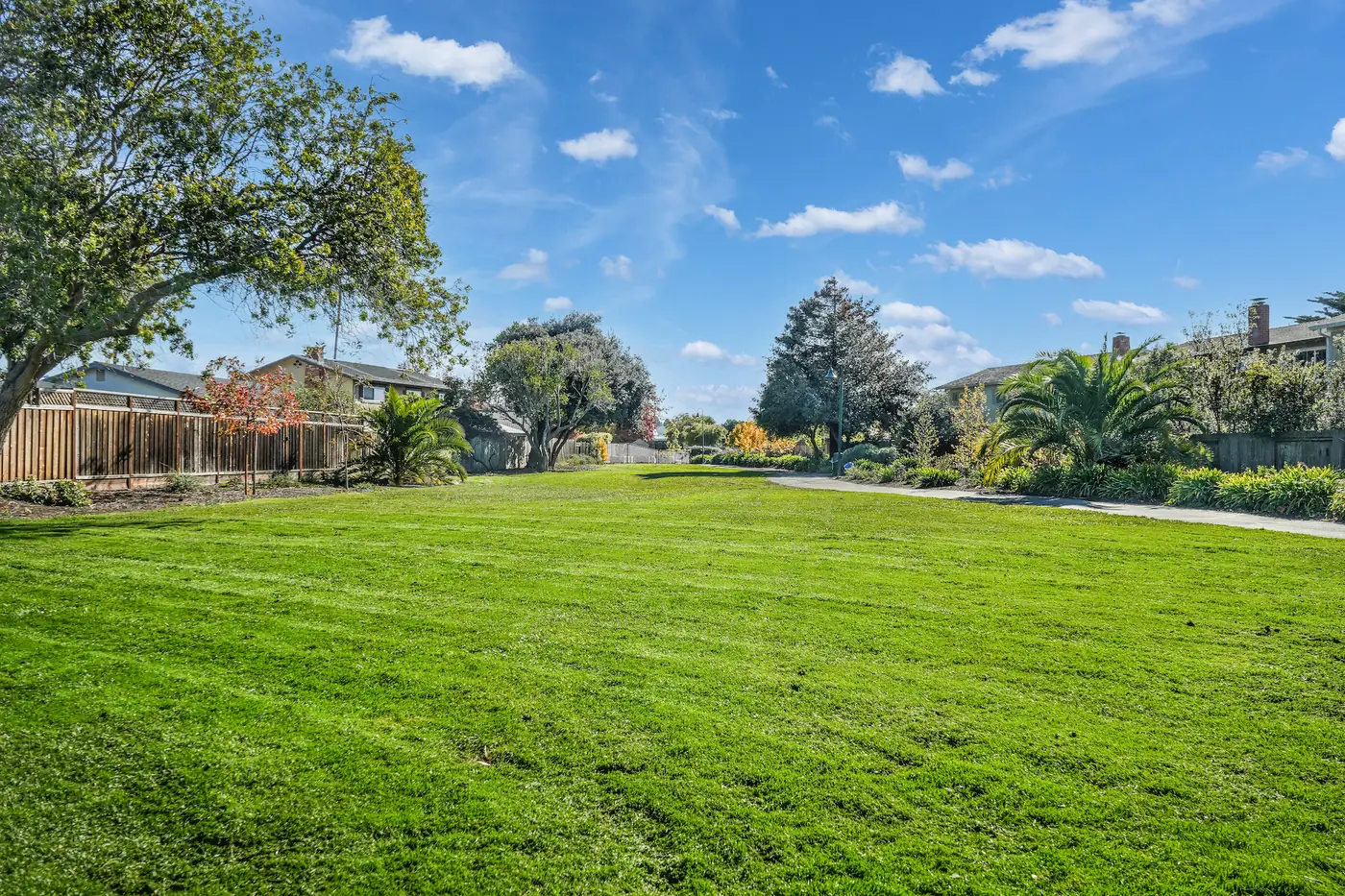
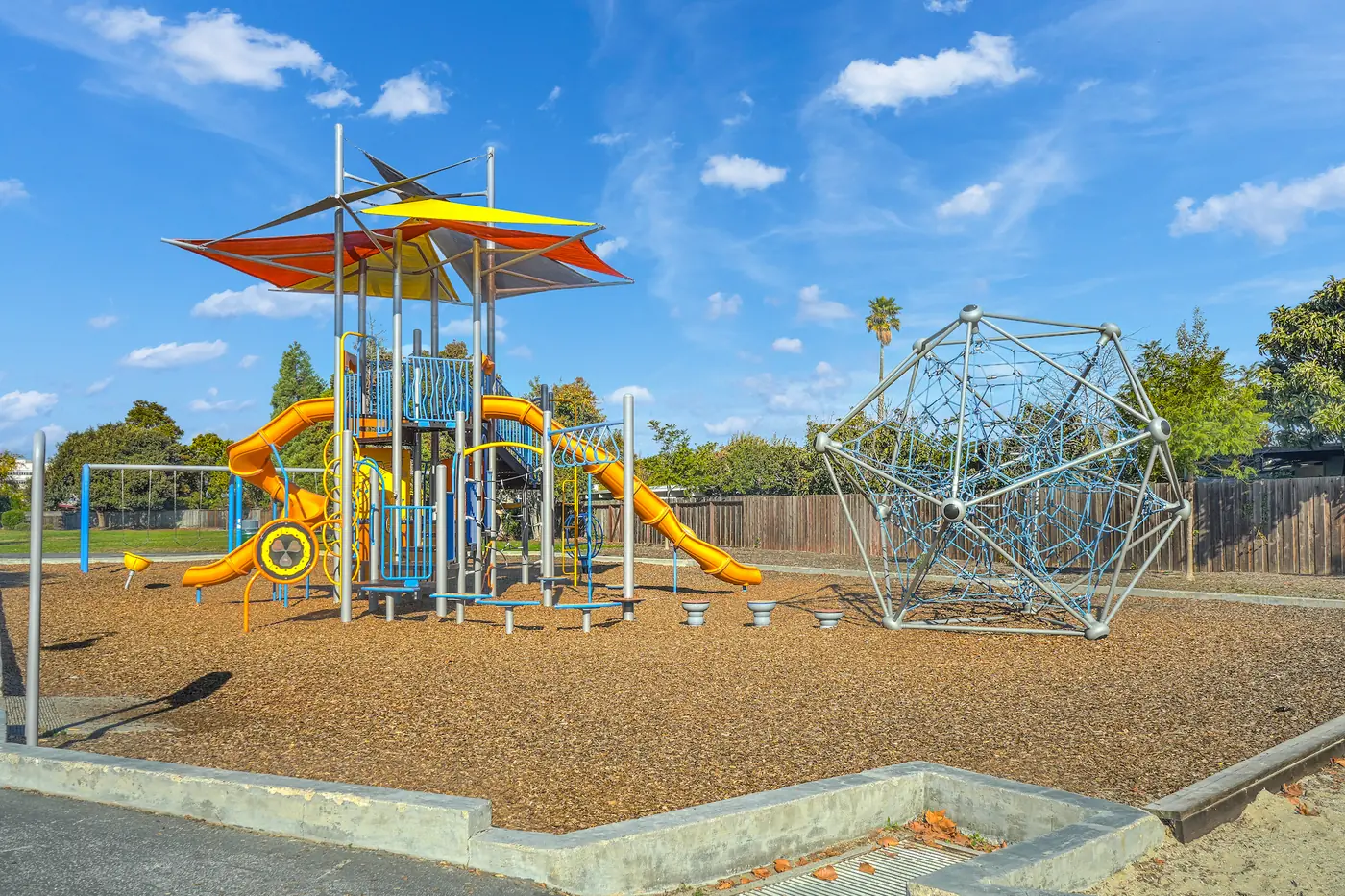
Boyenga Team listing photography, Foster City, November 2021.
Before they list
Two hundred houses, none of them on an all-Eichler block.
Because Eichler was sold scattered lots here, there is no street to watch and no tract to farm — a listing can come and go without anyone who wanted it ever seeing it. We keep a list and we write to it only when something actually happens — no volume, no drip campaign.
Talk to us
Tell us your street.
If you own on Matsonia, Lurline, Pilgrim or Constitution and you are not certain what you own, that is an answerable question and a common one on these streets.
The other clusters